No Ceiling Lights in Apartment: 11 Small-Space Ideas
No ceiling lights in apartment? Living in a small studio without an overhead light can make evenings feel darker than they should, especially when one lamp cannot reach every corner. The good news is that you can brighten the entire space without changing the ceiling or adding permanent wiring. These 11 ideas show how to use portable lights to create a warm, balanced lighting plan for every zone.
1. Start with a Lighting Plan for No Ceiling Lights in Apartment
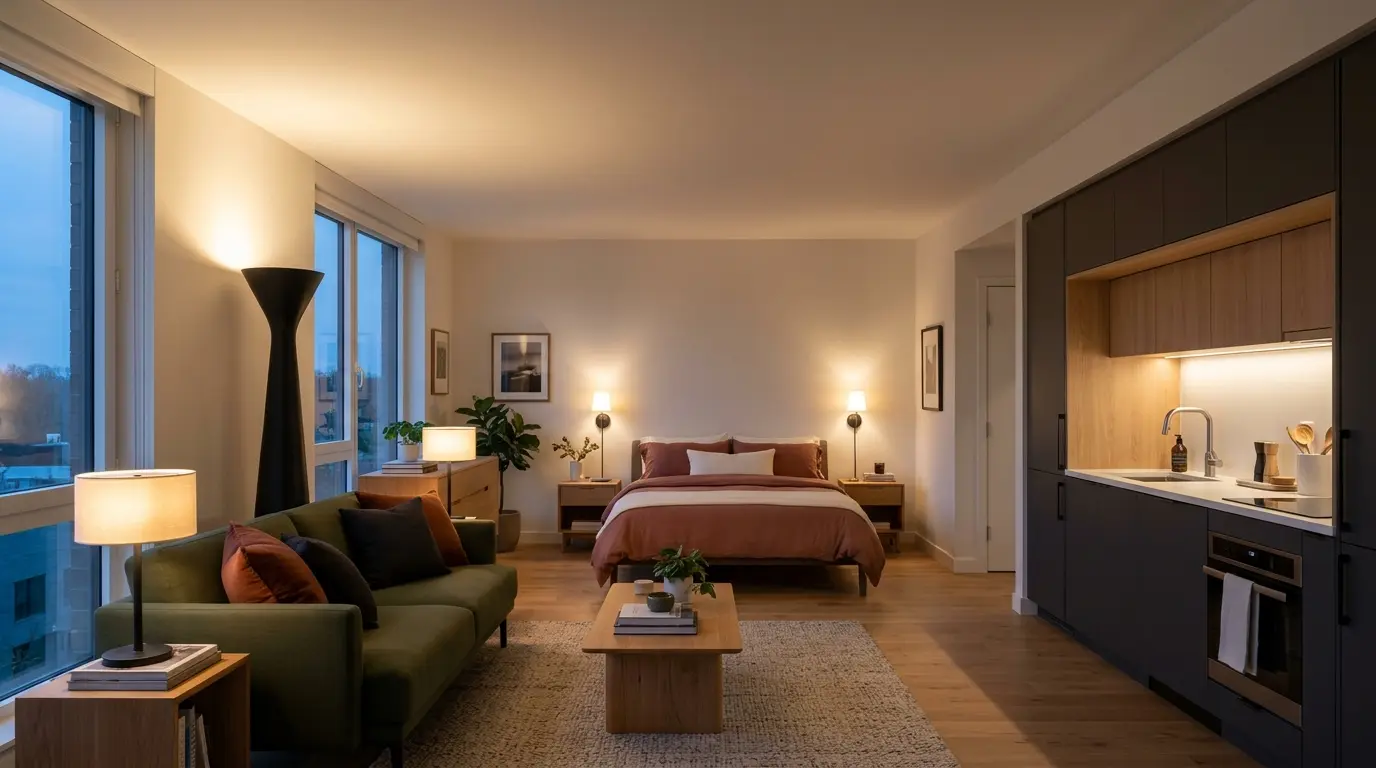
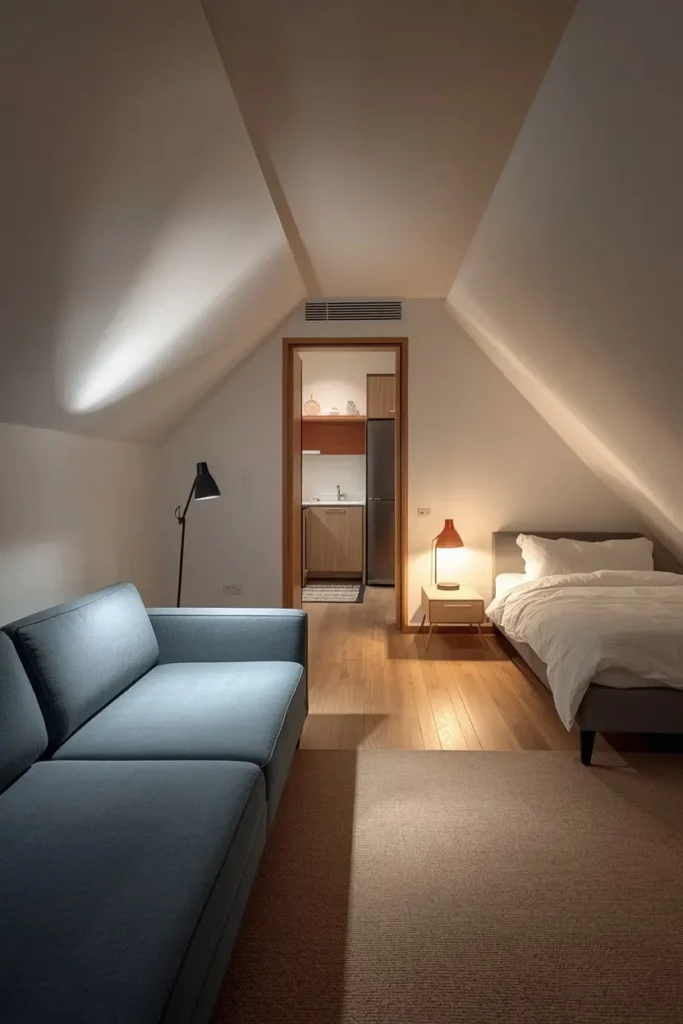
Start by deciding which areas of your apartment need light instead of relying on one lamp in the corner. In a studio, the living area, sleeping space, kitchen, and work nook often share one open room. Give each zone its own light source, because no ceiling lights in apartment means the light from one area will not reach the next on its own. This makes a studio apartment with no ceiling lights feel more balanced without filling it with bulky furniture.
Before buying anything, look at your outlets, existing furniture, and the darker parts of the room. You might need an uplight floor lamp near the sofa, a small lamp beside the bed, and focused lighting over the kitchen counter. Keep the middle of the room open so the different zones feel connected rather than crowded.
Pro Tip
Draw the plan on paper first, with one lamp per zone. A plan on paper shows a dark corner before you spend money on a lamp.
2. Use an Uplight Floor Lamp for General Illumination
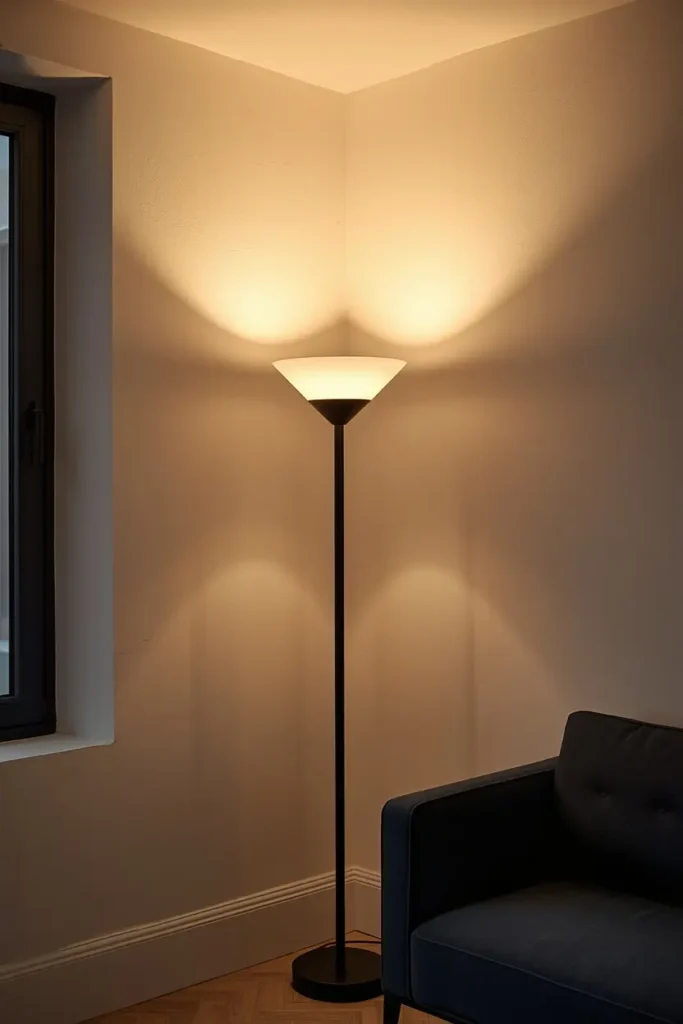
An uplight floor lamp can brighten a compact studio by directing light toward the ceiling. Choose a slim design with a simple white shade and place it beside the living-area sofa, where its light can spread across the room. The reflected glow creates softer general illumination than a lamp aimed directly at your eyes, while the narrow base takes up little floor space.
Look for a contemporary lamp with a matte black metal or white finish that suits your other furniture. Keep it close to a wall where it will not interrupt the walkway between the living and sleeping zones. A clear corner and low-profile furniture help the light travel across the open room.
3. Position Table Lamps Around the Living Area
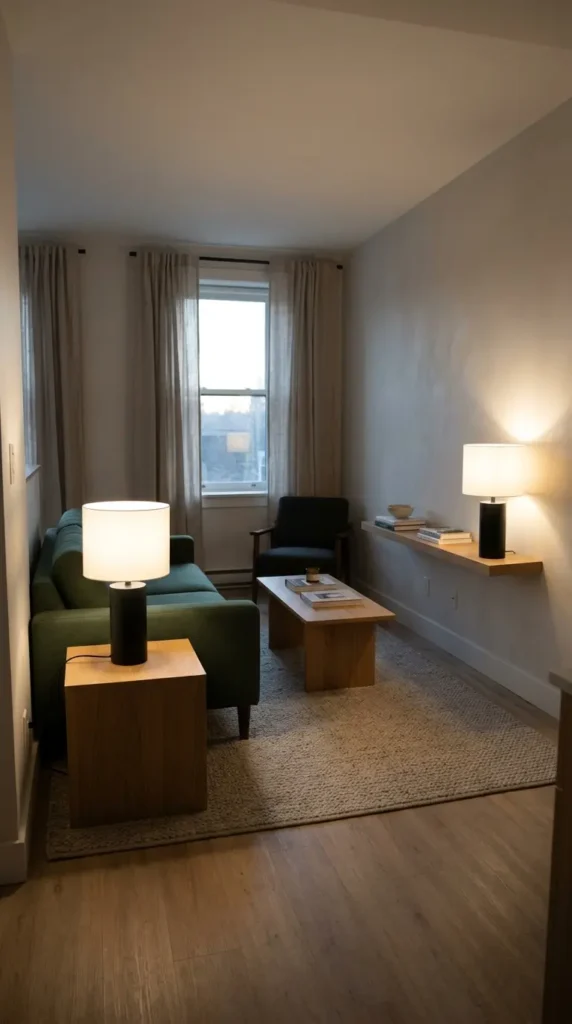
Two small table lamps can spread light across a studio living area more evenly than one lamp on a single side table. Place one beside the sofa and another on a low shelf across the room. Matching warm-white shades create a connected look, while simple matte black bases add a clean modern detail without making the furniture feel busy.
Choose compact lamps that leave enough surface space for everyday items. If your living area is narrow, use a shelf you already have instead of adding another table. Keep the lamp shades at a similar visual height where possible, so the light feels balanced from one side of the room to the other.
4. Add Plug-in Wall Sconces Beside the Bed
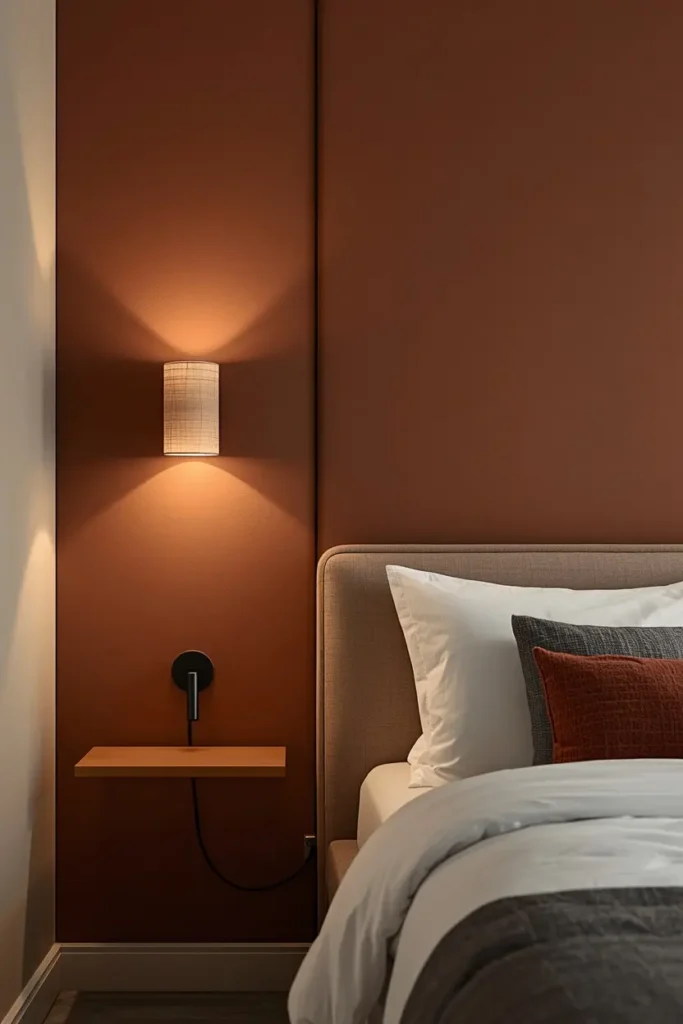
Plug-in wall sconces can give your sleeping zone useful light without taking up space on the bedside table. Choose a pair with clean-lined shades and position them on either side of a low bed, if the wall layout allows. They create a more finished bedside arrangement and keep the surface below free for a book, phone, or small alarm clock.
For a rental, choose a mounting method that does not require permanent wiring or drilling, and check your lease before attaching anything. Route each cord neatly toward an outlet using removable cord clips suitable for your wall finish. Check that the mounting holds securely and that the cords cannot be pulled loose.
5. Use Adjustable Reading Lamps
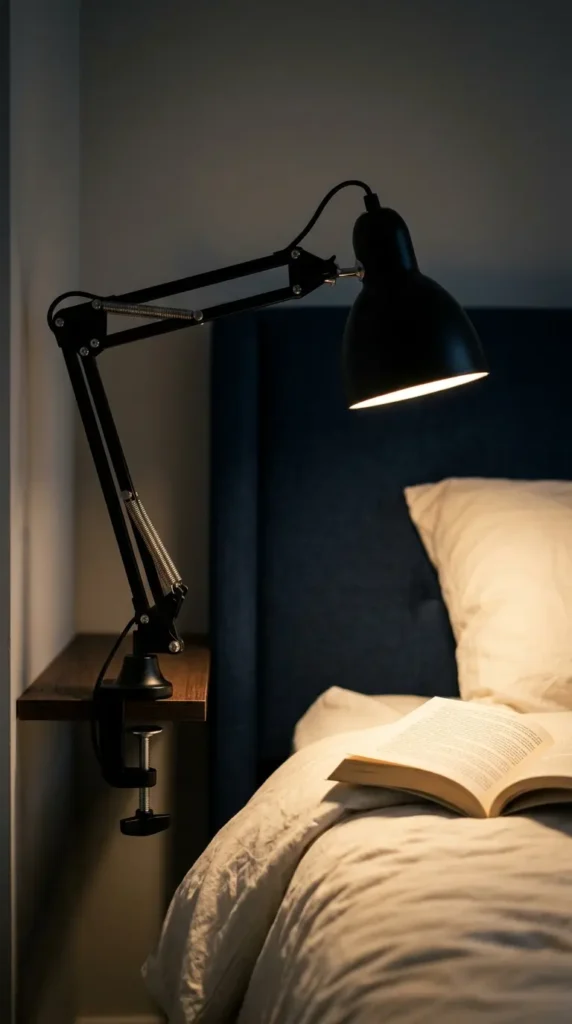
An adjustable reading lamp gives you focused light without brightening the entire studio when you only need to read. A compact lamp clipped to a bedside shelf can direct a warm beam onto an open book while leaving the rest of the sleeping area calm. Choose a slim design with an adjustable head so you can move the light without shifting the furniture.
A clamp-style lamp is useful when the bedside surface is small, but check that the shelf or edge is suitable for its clamp. Keep the cord away from bedding and walking paths. A simple black or white finish blends easily with modern studio furniture.
6. Add Under-Cabinet Kitchen Lighting
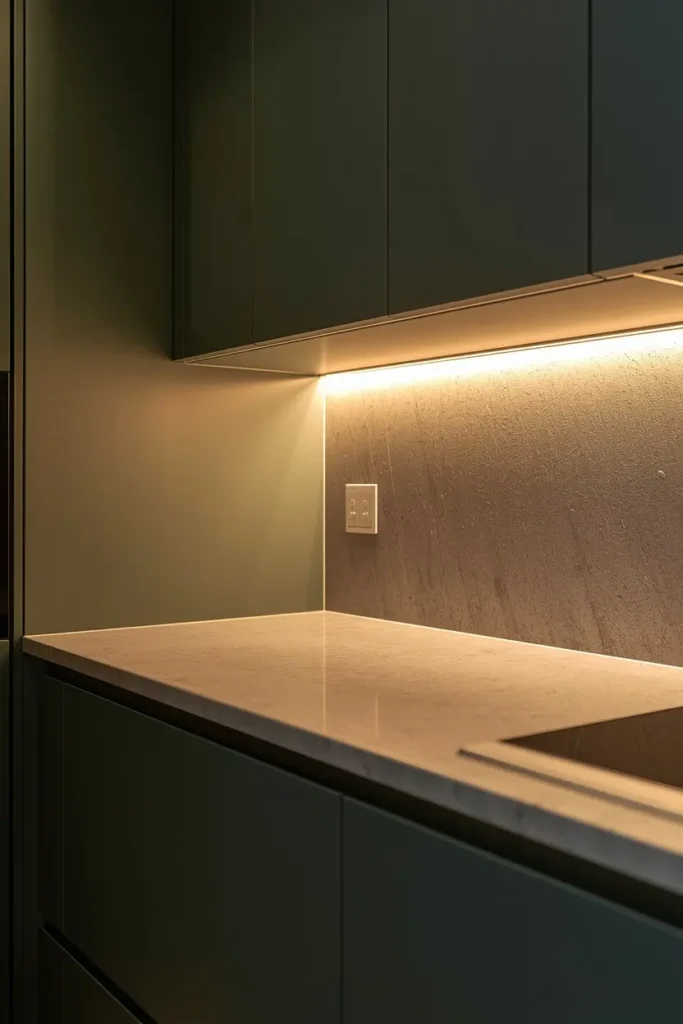
Under-cabinet LED lighting brightens the kitchen work surface without needing a ceiling fixture. Attach a suitable LED strip beneath the upper cabinets so the light falls directly onto the counter. This is useful in a compact studio where the kitchen shares an open room with the living and sleeping areas, but still needs its own clear working light.
Choose a warm or neutral white setting that works with your cabinet finish and countertop. Keep the strip hidden from direct view where possible, and check the manufacturer’s instructions for the correct mounting surface and power source. Leave the counter clear so the added light can make the small kitchen feel more open.
Pro Tip
Test the LED strip at night before you stick it down. A strip that looks warm in daylight can look yellow on a light counter.
7. Brighten Dark Corners with Rechargeable Lamps
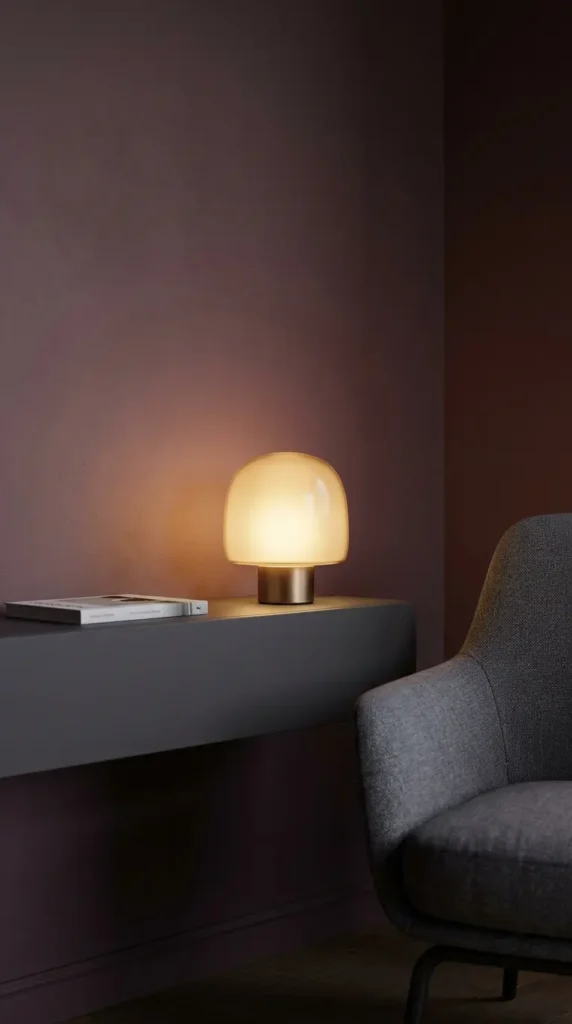
A small rechargeable lamp can brighten a dark studio corner without needing a nearby outlet. Place one on an existing low shelf or side table where the living area feels dim. A compact lamp with a simple white or glass shade adds a soft pool of light and can be moved whenever you rearrange the room.
Choose a model with a stable base and a charging point that is easy to reach. Follow the manufacturer’s instructions for charging and placement, and check that the lamp sits securely on the surface. Keep nearby decor minimal so the light has room to spread instead of disappearing behind accessories.
8. Use LED Strips for Subtle Ambient Lighting
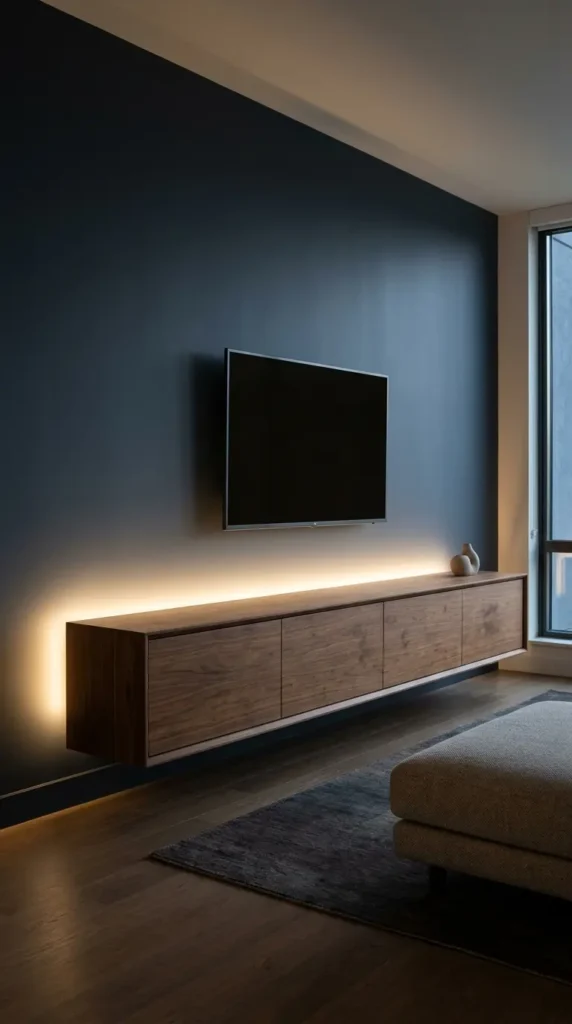
A warm LED strip hidden behind a low shelf can add soft ambient light to a studio without taking up floor or table space. Place it along the back edge of a media shelf or behind a compact storage unit so the light washes gently across a plain wall. This creates depth in the living area without adding another visible lamp.
Choose a strip with a warm setting and a mounting system suitable for the surface. Check that the adhesive holds securely and will not damage the finish when removed. Hide the power connection neatly, and avoid running the strip across open walls where it could make a small room look visually busy.
9. Add Battery-Powered Lights to Storage Areas
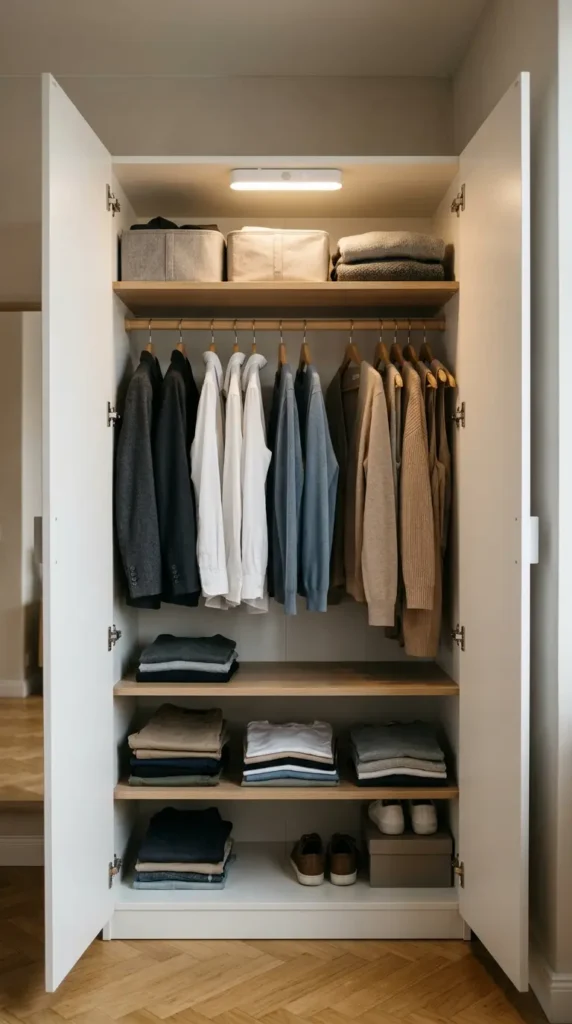
Battery-powered lights make dark storage spaces easier to use without adding another cord to your studio. Place a compact light inside a closet, wardrobe, or storage nook so you can see folded clothes and everyday items. A small motion-activated model can be convenient because it switches on when you open the space, depending on the product’s features.
Choose a light with an accessible battery compartment and a mounting option suitable for the inside surface. Keep it away from stored items that could cover the light or interfere with its operation. A neat storage area is easier to use when everything remains visible and easy to reach.
10. Create Separate Lighting Zones in a Studio
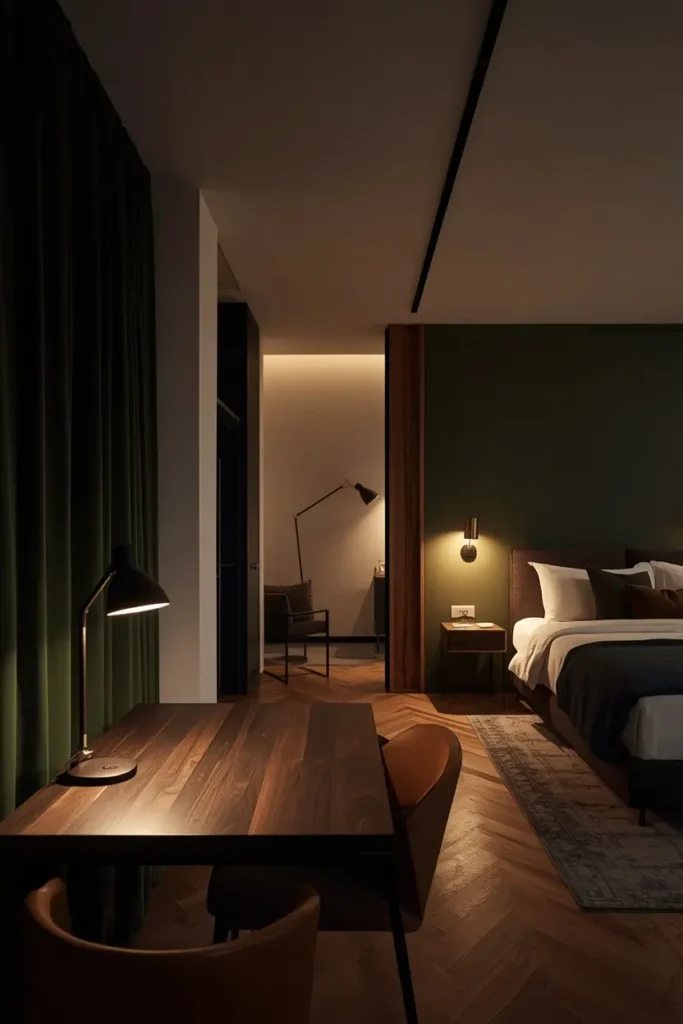
Give the living, sleeping, and work areas their own light sources. No ceiling lights in apartment means the entire studio cannot depend on one bright lamp. Use an uplight floor lamp in the living zone, plug-in wall sconces beside the bed, and an adjustable desk lamp for your work area. Each light serves a different purpose, while the warm glow helps the open room feel connected.
If you are planning a new arrangement, consider how furniture placement affects the light and the walking route between zones. A clear layout makes it easier to position lamps without blocking daylight or adding clutter. For more ways to divide an open room, see our studio apartment layout ideas.
11. Organize Cords and Outlets Safely
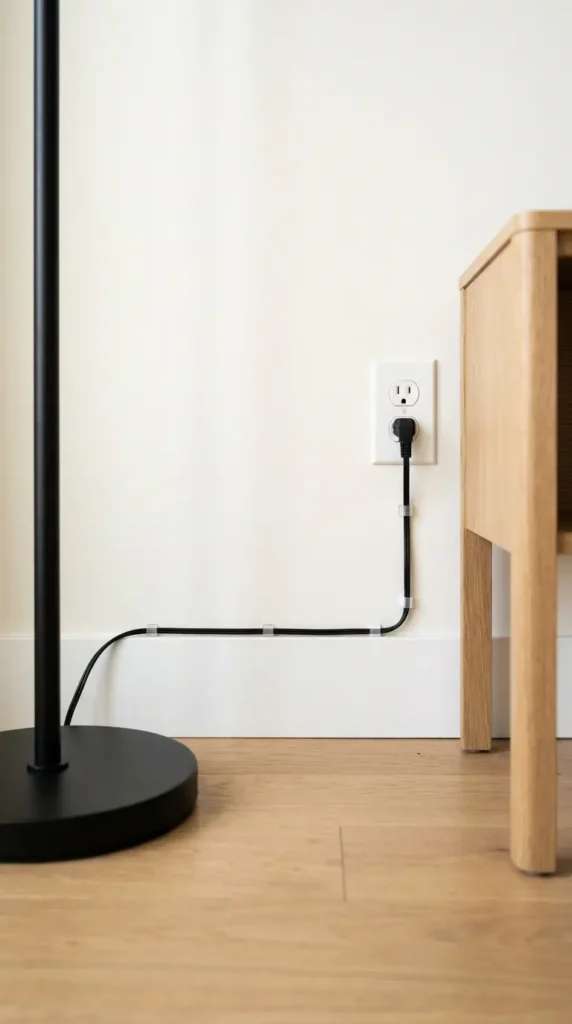
Neatly arranged cords make a small apartment easier to move around and keep the lighting setup looking intentional. Use suitable removable cord clips or cord covers to guide lamp cables along the wall or baseboard. Keep plugs close to their outlets, and position power strips where they are easy to reach rather than hiding them behind heavy furniture.
Avoid running cords across walkways, under rugs, or through places where furniture could pinch them. Check the power requirements of your lamps and power strip, and follow the manufacturers’ instructions. A simple route with fewer visible cables keeps the studio looking clean and makes each lighting zone easier to use.
Pro Tip
Label each plug with a small piece of tape. When a lamp stops working, you will know which plug to check without tracing every cord.
Quick Checklist: 11 Ways to Light an Apartment Without Ceiling Lights
Use this checklist when setting up your studio lighting:
- Start with a lighting plan for each apartment zone
- Use an uplight floor lamp for general illumination
- Position table lamps around the living area
- Add plug-in wall sconces beside the bed
- Use adjustable reading lamps
- Add under-cabinet kitchen lighting
- Brighten dark corners with rechargeable lamps
- Use LED strips for subtle ambient lighting
- Add battery-powered lights to storage areas
- Create separate lighting zones in the studio
- Organize cords and outlets safely
Frequently Asked Questions
Conclusion
No ceiling lights in apartment? A studio can still feel bright, comfortable, and well planned. Give each zone its own portable light, use warm illumination where you relax, and add focused lighting where you work or cook. Keep cords out of walkways and choose compact fixtures that suit your layout. With a few thoughtful changes, your apartment can feel balanced without a ceiling fixture.
Browse all our Decor and Aesthetics.